by Greg Walcher, E&E Legal Senior Policy Fellow
The Daily Sentinel
Rodney Page’s first novel, a political thriller called “Powers Not Delegated,” follows a congressman learning how Washington works. He clings to his parents’ advice that “If you never tell a lie, you won’t have to remember what you said.” But eventually he develops “a perverse respect for politicians who had mastered the art of spin… the skill to produce an answer having nothing to do with the question.”
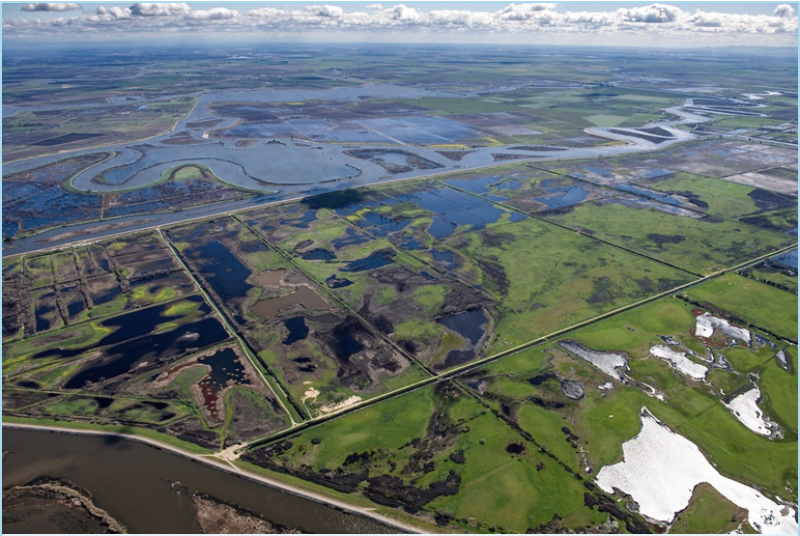
I, too, am often amazed at the skill of various officials who can describe the same issue in completely different terms, easily obscuring even the basic facts about a subject. A classic example is the current debate about an administration proposal to rewrite regulations based on Section 401 of the Clean Water Act. Most people are more familiar with Section 404, which requires permits from the Army Corps of Engineers for all sorts of projects that impact waterways. You need a “404 Permit” for that.
Fewer people outside government are even aware of Section 401, but it was considered crucial when the law was passed in 1972. It gives states the power to regulate federally permitted activities that could affect water quality in navigable waterways within state boundaries. In addition to federal permits, states can also determine whether the project complies with state water quality laws. But Section 401 was drafted very vaguely, and its broad authority has been debated ever since, including in dozens of court cases.
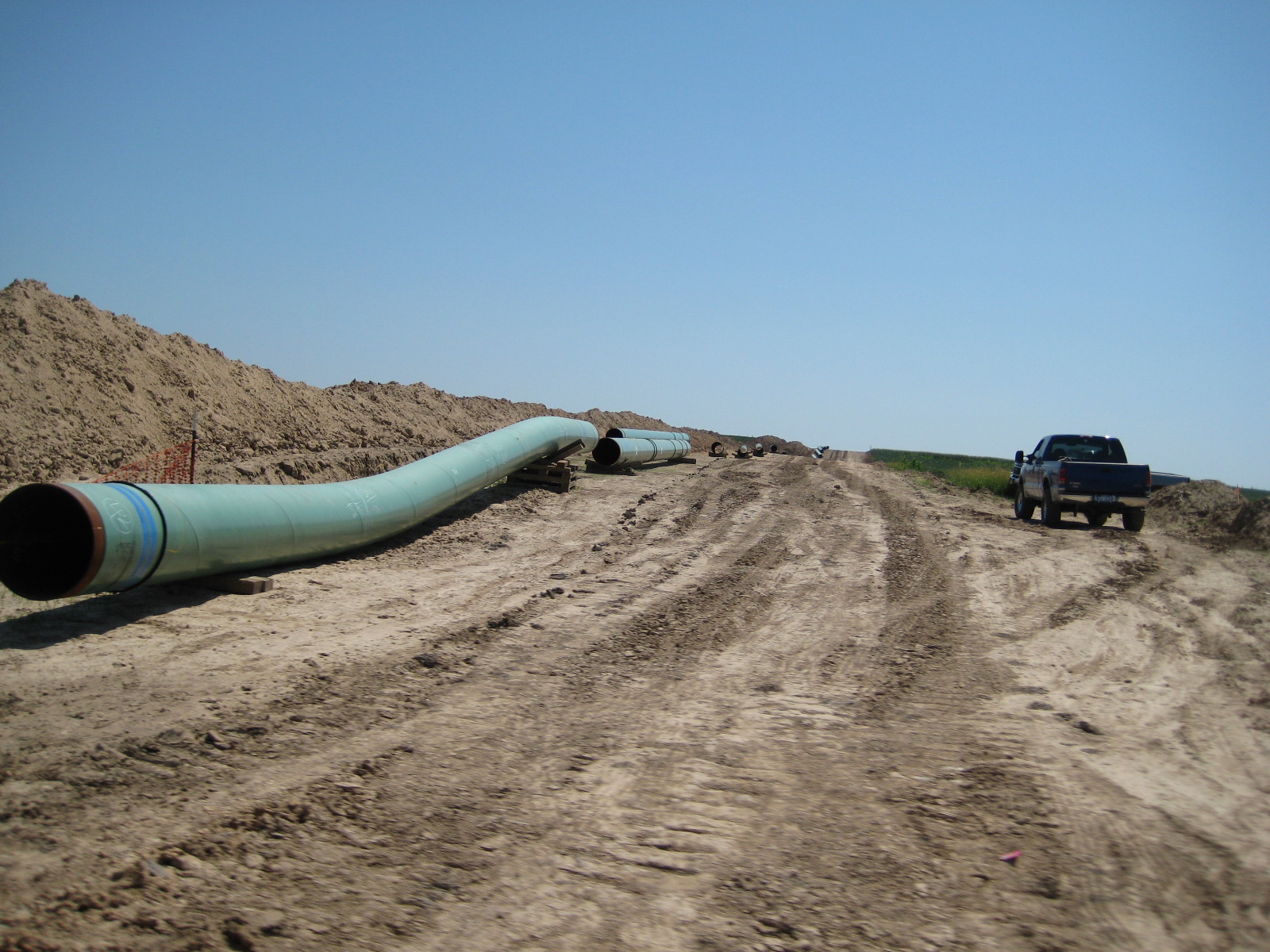
Worse, it has become a tool for states to deny permits to projects that have nothing to do with water. Starting in 2016, when New York denied Section 401 certification to a natural gas pipeline, it has become a tool for climate activists to deny permits to pipelines, transmission lines, and other infrastructure. That has happened in a number of states. So now, legislation is pending in Congress, and a reform of the 401 rules has been proposed by the administration.