by Greg Walcher, E&E Legal Senior Policy Fellow
The Daily Sentinel
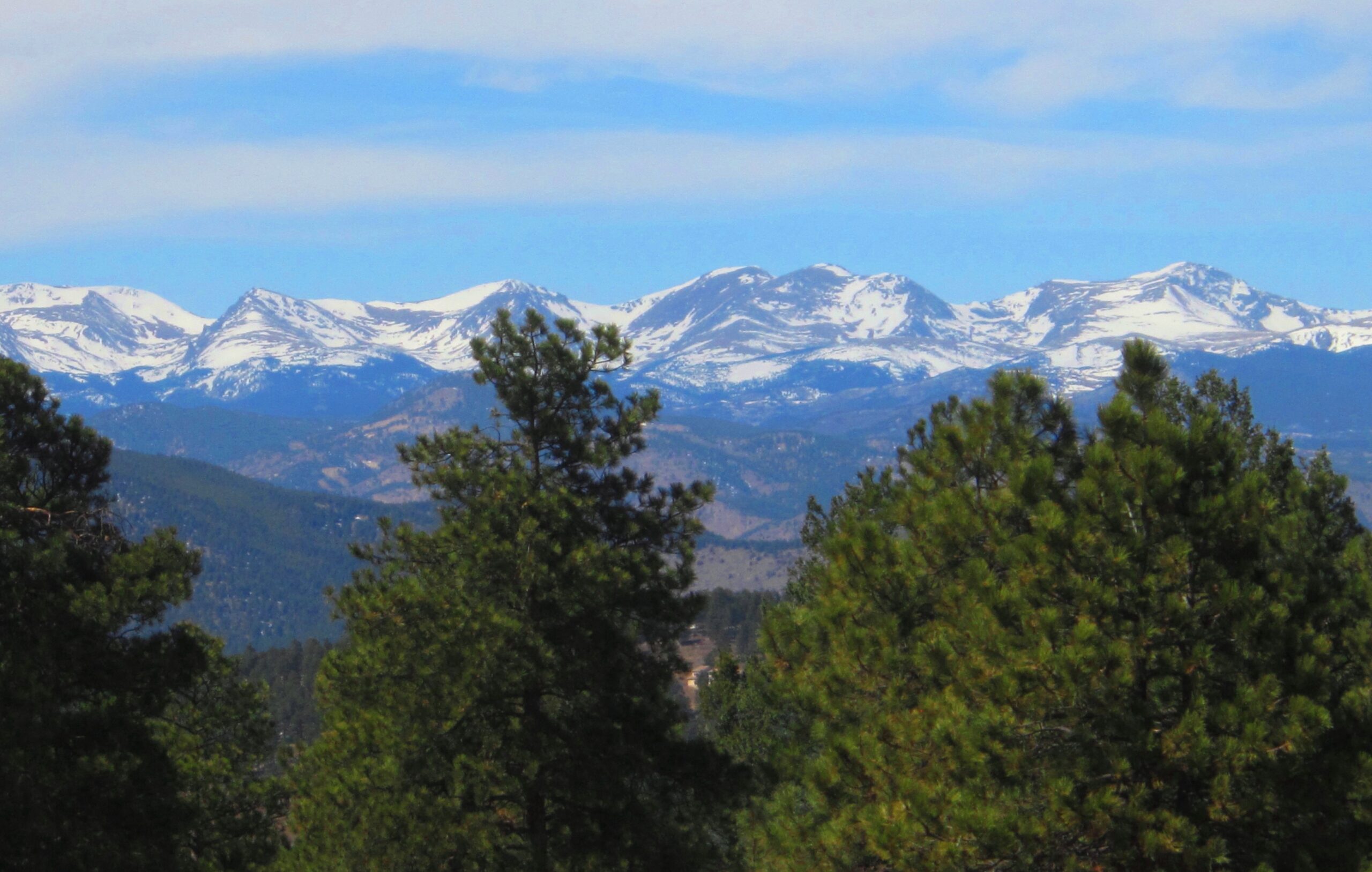
Colorado has often been called the “rooftop state” because the water that falls on Colorado flows to other states, with virtually none flowing in. Geologists call it a “headwaters state” because so much of the nation’s water supply originates in Colorado. Both distinctions have nuances, though.
Colorado is not entirely a headwaters state, because in fact small amounts of water do flow into Colorado from other states. The Little Snake originates in Colorado, flows back and forth across the Wyoming border 19 times, then finally empties into the Yampa. Vermillion Creek has very little water, but it originates in Wyoming, flowing 67 miles into the Green River. The Green itself rises in Wyoming, flows through Utah and into Colorado for 42 miles at Dinosaur National Monument before returning to Utah. And the Cimarron River flows about 10 miles through the southeast corner of the state from Oklahoma and into Kansas.
Nor is Colorado the only state where all the water flows out — that is also true of Hawaii. In fact, the major differences for Colorado are primarily political and legal, not hydrological. The administration of water law is the real difference. That’s what makes Colorado absolutely unique, and it’s what puts Coloradans at such a disadvantage compared to every other state.
Consider the legal difference with the other “rooftop state.” All water that falls on Hawaii flows directly into the ocean, not into any other state, and Hawaii is legally entitled to use every drop if it wishes to do so. Hawaiians also deal with endangered species and instream flow rules, but no other state has any legal entitlement to its water.