by Greg Walcher, E&E Legal Senior Policy Fellow
The Daily Sentinel
What if I said it should be illegal for anyone to trick-or-treat in my neighborhood, turn left onto Main Street or purchase anything made of plastic — and that I will impose fines and send people to jail who violate my rules? Most people would respond defiantly, asking, “Who died and left you king?”
These may not be serious examples, but several recent legal cases raise very serious legal questions about who has the authority to make something a crime and to impose fines or jail sentences. In several instances, the issue is whether or not some administrative agency (unelected officials) can declare something to be a criminal offense, prosecute violators in their own administrative courts and impose punishments — all without the involvement of any jury.
Article 3, Section 2 of the U.S. Constitution is fairly explicit: “The Trial of all Crimes, except in Cases of Impeachment, shall be by Jury; and such Trial shall be held in the State where the said Crimes shall have been committed.” The Fifth Amendment adds that “No person shall be held to answer for a capital, or otherwise infamous crime, unless on a presentment or indictment of a Grand Jury,” and further, that no person can “be deprived of life, liberty, or property, without due process of law.” The Sixth Amendment adds that “In all criminal prosecutions, the accused shall enjoy the right to a speedy and public trial, by an impartial jury of the State and district wherein the crime shall have been committed.” Those sections all apply to criminal behavior, so the central question is: Who decides what constitutes a crime?
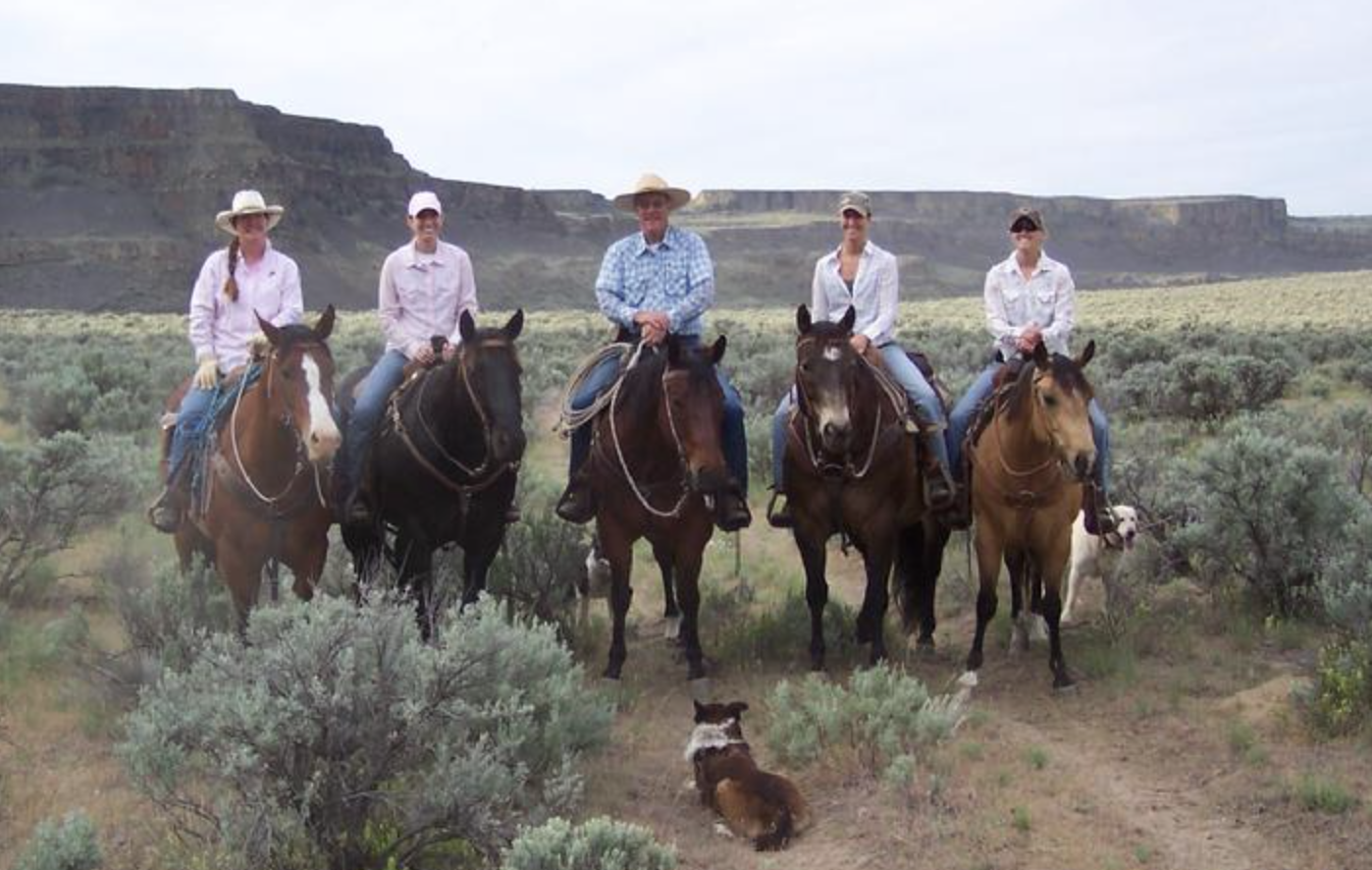
Criminalizing an activity and determining the appropriate punishment is a legislative branch function under the U.S. and all 50 state constitutions. The legislature, composed of the people’s elected representatives, writes the laws; the executive implements them; and the courts settle disputes. But that is not the way the system worked for the King Family Ranch in Washington.