by Greg Walcher, E&E Legal Senior Policy Fellow
The Daily Sentinel
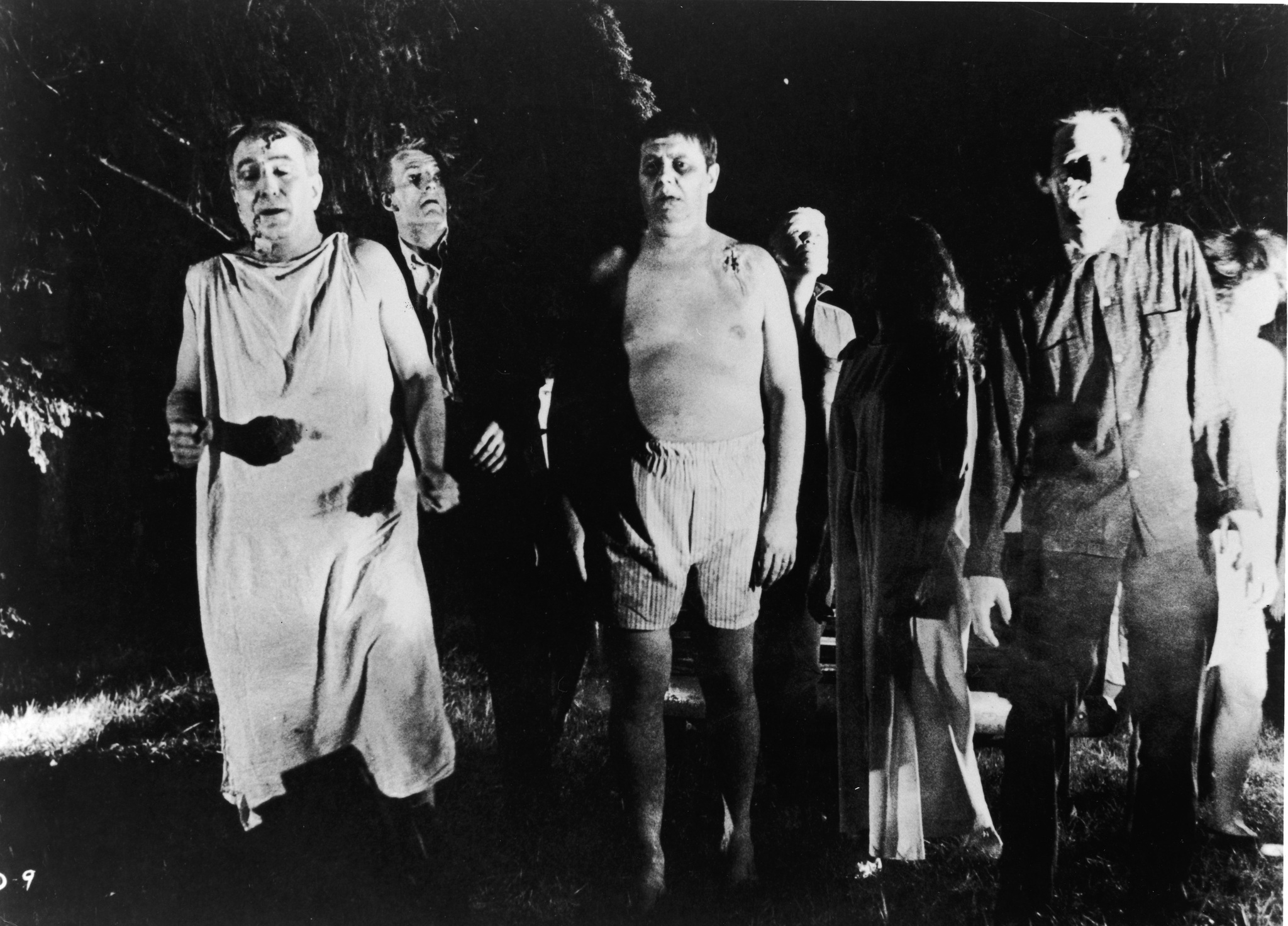
In Haitian folklore, a zombie is a dead body reanimated through Vodou magic. The modern concept of zombies as flesh-eating creatures from the cemetery evolved more recently, from the 1968 comedy/horror film, “Night of the Living Dead,” and sequels like “Dawn of the Dead,” “Day of the Dead,” and “Return of the Living Dead.” Some call them cult classics now, staples of the horror genre. Such films all have one thing in common: no matter how many times the bad guys are killed, they keep coming back.
The same is true in politics, where the term “zombie” is often used to describe federal agencies and programs whose legal authority has expired but nevertheless continue to operate as if nothing changed.
Coloradans are justifiably proud that their state became the first, in 1976, to enact a “sunset law,” under which regulatory agencies and programs are automatically discontinued after a specified time, unless reauthorized by the Legislature. At least 27 states have enacted various sunset laws since then, roughly half of which are still in force. Advocates often ask why the federal government doesn’t have similar protections against eternal bureaucracies. Actually, it sometimes does, but there is no enforcement mechanism.
Dozens of federal agencies and programs are enacted with expiration dates, and their re-authorizations are regular sources of friction on Capitol Hill. That’s why we see battles every few years over reauthorization of the farm bill, the highway bill, the defense authorization bill and tax laws such as the 2017 Trump tax cut — the current congressional battle. Congress has enacted numerous laws that included sunset provisions, though sadly it is a fraction of the number of departments, agencies and programs.