by Greg Walcher, E&E Legal Senior Policy Fellow
The Daily Sentinel
I don’t know anyone else who tracks the number of federal cops, but the watchdog group Open the Books occasionally reports on the burgeoning number of federal agencies with law enforcement divisions. The latest report, “The Militarization of Federal Bureaucracy,” detailed the astonishing scope of federal police power — more than 200,000 federal officers with guns, badges, and arresting authority, in a whopping 103 different federal agencies. The federal government has more law enforcement officers than America’s 25 largest cities combined.
Those 103 federal agencies — half of which are not primarily law enforcement — spent $3.7 billion on guns, ammunition, and military-style equipment between 2006 and 2023. The FBI and ICE have always had that. But the National Institutes of Health in suburban Bethesda, Maryland, now has its own fleet of police cars with cops who carry guns and can arrest people. So do the Bureau of Engraving and Printing, Library of Congress, National Park Service, Forest Service, Fish and Wildlife Service, Marine Fisheries Service, Government Printing Office, and the Bureau of Land Management.
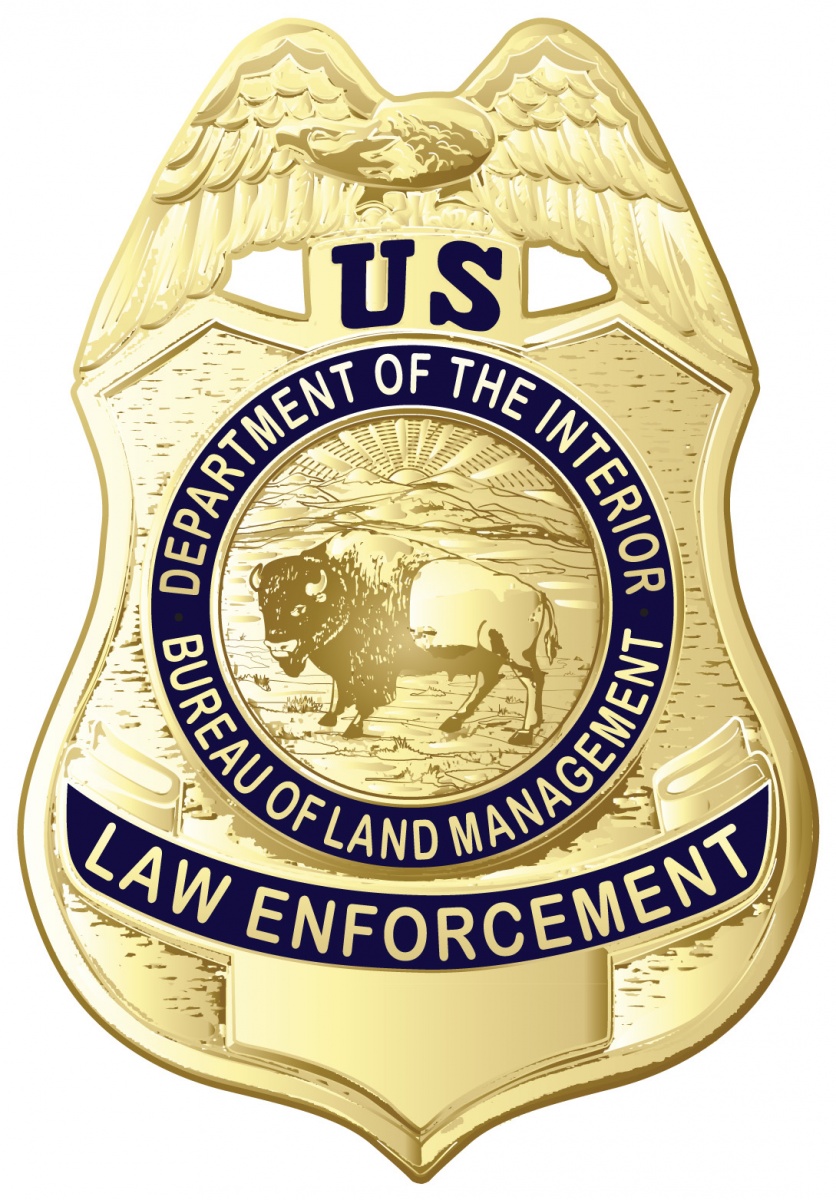
It is BLM law enforcement that has raised hackles across the West lately, prompting a major federal court case with far-reaching implications. That’s because the BLM has gone far beyond deploying cops to enforce laws. The agency has created its own laws — not typical land management regulations but criminal laws — then sent their own cops to enforce them.
The current case is so over-the-top it’s hard to believe, but it’s real. BLM used Federal Land Policy Management Act (FLPMA) authority to classify ordinary traffic violations as criminal offenses, subject to $1,000 fines and jail time. A man in Moon Rocks, Nevada, named Gregory Pheasant was caught riding a dirt bike at night on BLM land — an area where dirt bikes are allowed — with a broken taillight. Moon Rocks, Nevada, isn’t the middle of nowhere — it is the end of nowhere. Never mind that there was no traffic issue, because dirt bikes in the desert do not encounter traffic, so there was no safety issue. Never mind that in every single state, including Nevada, a broken taillight is a traffic violation, carrying a civil fine. In Colorado it’s a $15 ticket. But Mr. Pheasant was not given a ticket; he was arrested, charged with a crime and threatened with jail time.