by Katy Grimes, E&E Legal Senior Media Fellow and California Globe Editor
As Appearing in the California Globe
It’s all being driven by dishonest climate policies
“Governor Gavin Newsom is advancing a plan that could funnel hundreds of millions in road dollars to a struggling oil refinery — pitching it as a cleaner jet fuel initiative. The credit, drawn from funds voters designated for highways and local streets, could also raise gas prices for most drivers,” the AP reported in April.
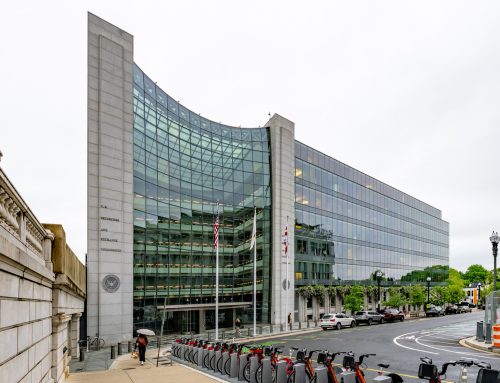
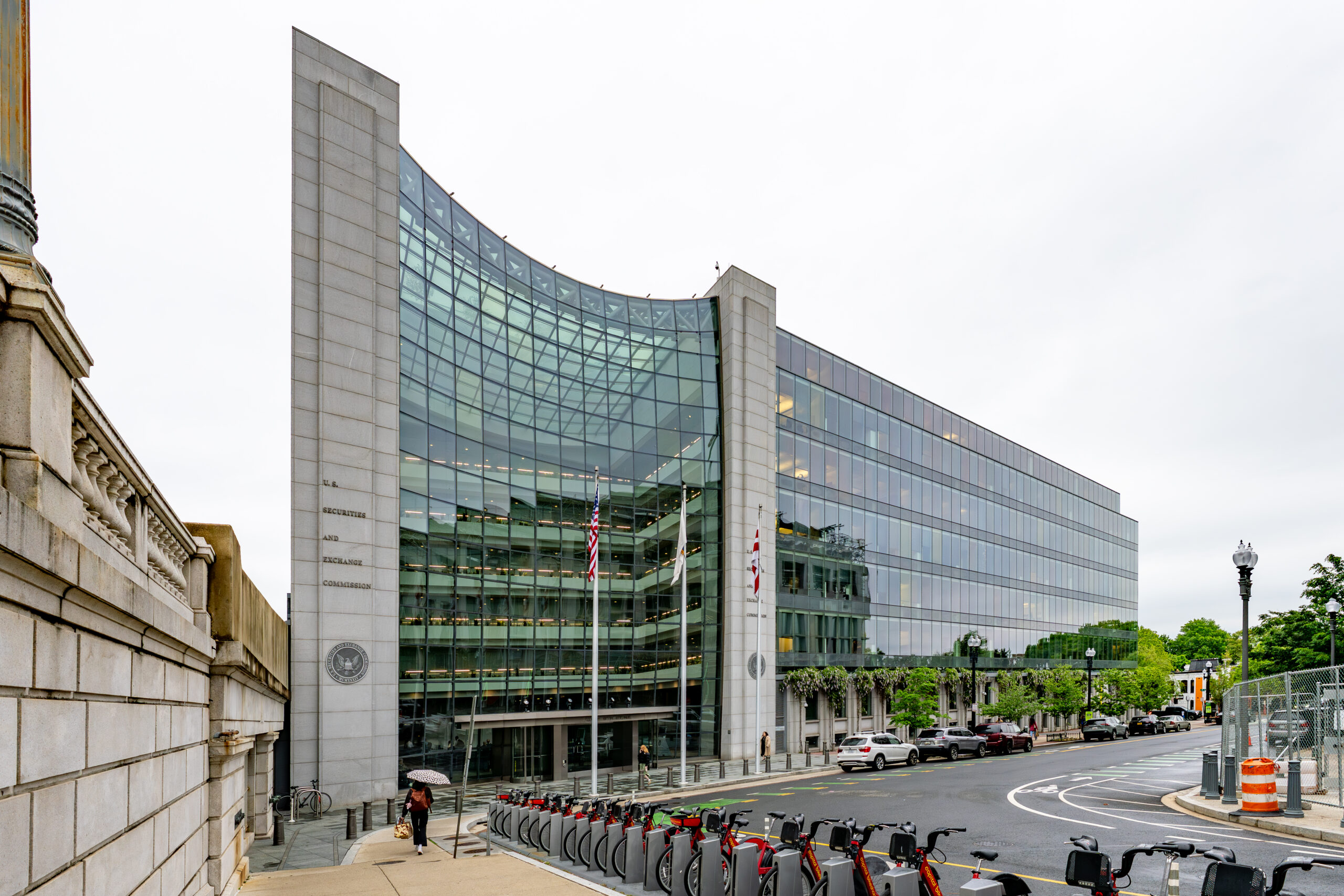
“Struggling?” The shareholder returns beg otherwise. And, according to the Securities and Exchange Commission, Q2 alone was very strong: Renewable Fuels generated $544 million of earnings, compared with a $133 million loss in Q2 2025.
California’s proposed tax credit is a sustainable aviation fuel (SAF) incentive, included in Gov. Newsom’s budget proposal, that would primarily benefit Phillips 66’s Rodeo Renewable Energy Complex in Contra Costa County.
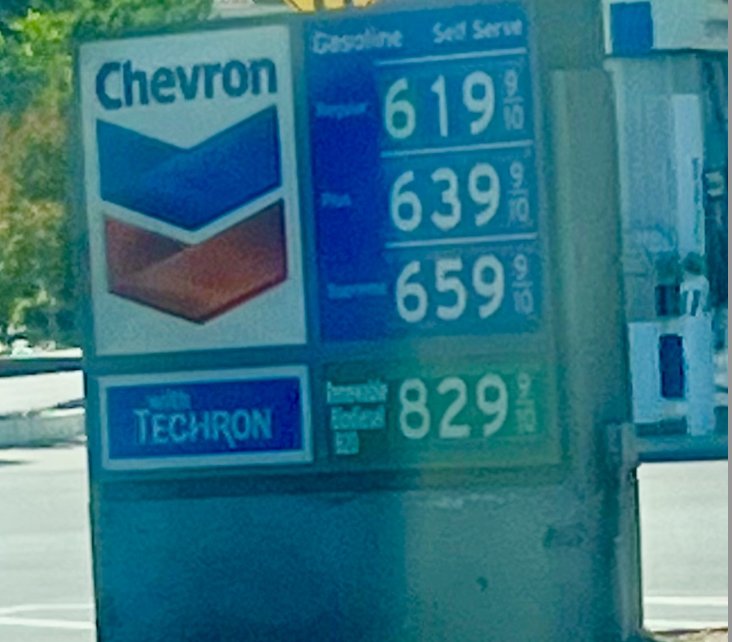
According to the UC Berkeley Energy Institute researchers, “the proposed tax credit would reduce road funding, raise gasoline and diesel prices, and deliver small and expensive carbon emissions reductions.”
Critics of the tax credit include the Legislative Analyst’s Office, which has urged rejection of the proposal because of impacts on transportation funding and potential for higher-than-expected costs, including incentives for out-of-state firms to acquire California entities with diesel tax liability. Those analyses project limited net carbon reductions (because SAF would largely divert biofuels from surface transport like renewable diesel), higher gasoline prices estimates in the 11–14 cents gallon range, higher diesel prices, and high costs per ton of emissions reduced.