
by Greg Walcher, E&E Legal Senior Policy Fellow
The Daily Sentinel
If I offered you a thousand dollars not to steal my car, would you be any less likely to steal it? What if I offered you a million? If you’re like most people, you would answer that you weren’t planning to steal it anyway. You’re not a thief, so the discussion is pointless. Although if I were serious, you might take the money anyway.
That isn’t much different than some of the revelations of government grants we are learning about through recent DOGE discoveries, controversial though they are. I’m just looking at grants related to natural resources and the environment, but can’t help wondering why the government has been paying so much to so many organizations and companies — to do what they were doing anyway.
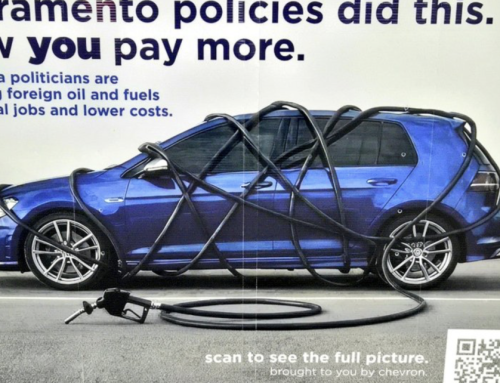
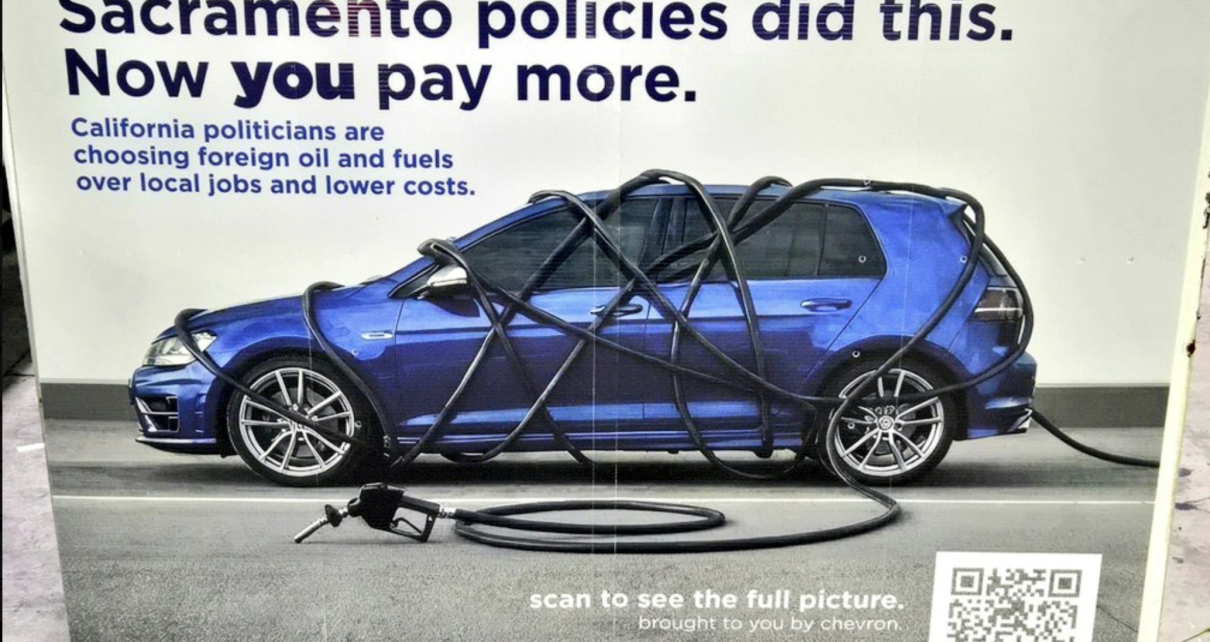
For example, should taxpayers give money to global oil companies to develop profitable operations they were developing anyway? If they believe profits are enhanced by reducing oil production, should we have to pay them to do that? I know lots of people, including me, do not think reducing oil production is a good idea. But there are at least three people who do think that: the CEO’s of ExxonMobile, BP and Chevron, three of the five largest oil companies in the world.
BP’s CEO, Murray Auchincloss, boasts that “We also set the ambition to be a net zero company by 2050 or sooner and to help the rest of world get to net zero.” The Department of Energy paid BP $32 million to develop a storage hub in Texas and a carbon dioxide sequestration complex in Indiana that BP (annual revenue of $249 billion) could easily have developed anyway as part of its commitment to greenhouse gas reduction.