by Greg Walcher, E&E Legal Senior Policy Fellow
The Daily Sentinel
If the teenager wrecks the car four times, parents don’t generally reward him with a newer and more expensive model. If a salesman doesn’t sell a single product, owners do not promote him to sales manager. If a businessman flops with three consecutive startups, banks do not continue financing even bigger investments. In the real world, most of us are not inclined to reward failure. That’s only in government. And that has been the strategy of political officials in the District of Columbia for decades.
When President Trump announced a federalized plan to clean up D.C., local leaders reacted with outrage, claiming the city is cleaner and safer than it’s been in 30 years, that federal help is not needed, and predictably, that statehood is the better solution.
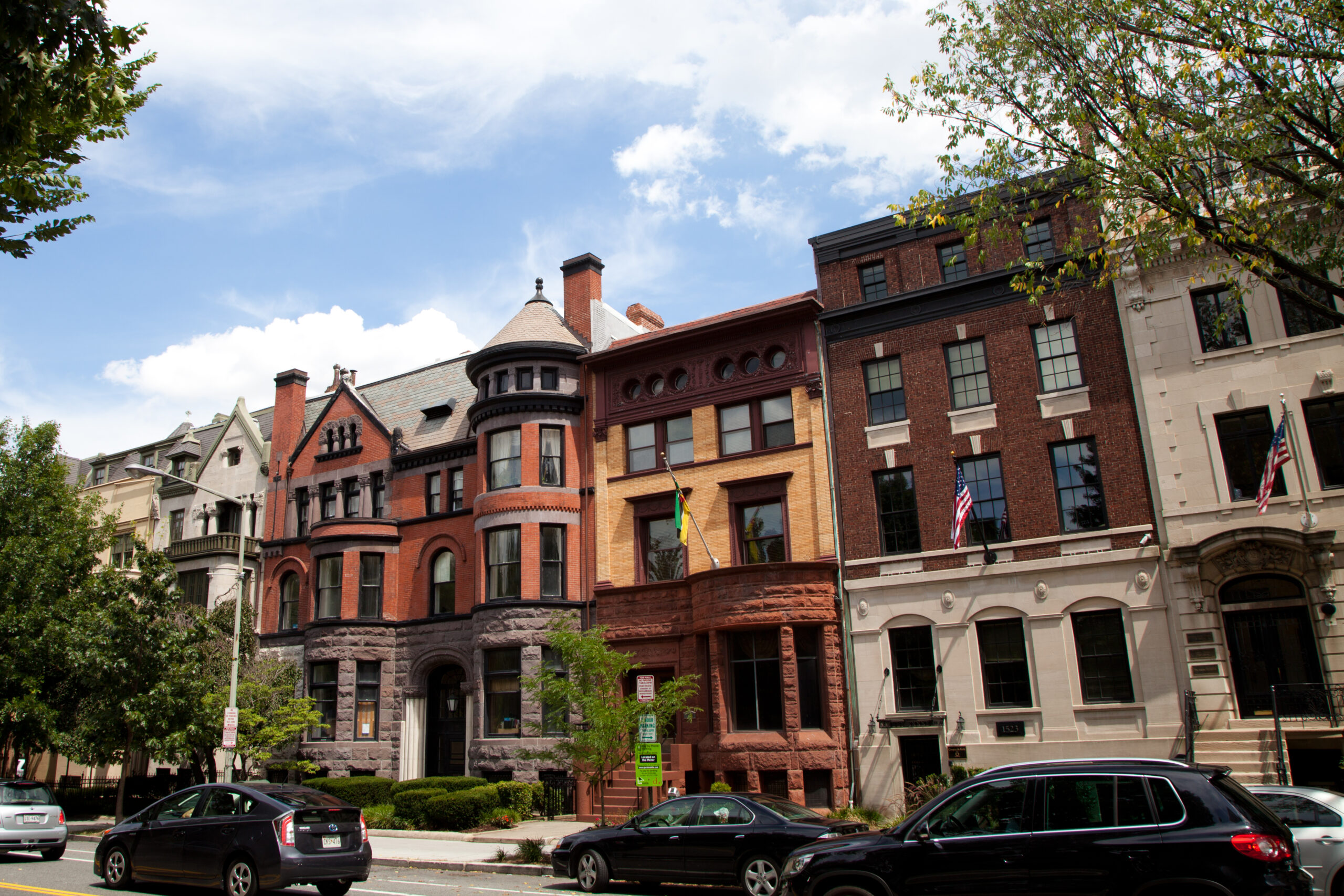
Our national capital, arguably the world’s most beautiful, has always been a tale of two cities. There is the famous part — the Capitol and White House, gleaming marble monuments and memorials, the national mall, Smithsonian museums, modern office buildings, and tree lined avenues with circles, statues, and fountains. And there is the other part, miles of old and decaying inner city with 700,000 people in row houses, apartment buildings, government housing complexes, and “transitional” neighborhoods. Some are the exclusive province of millionaires, others are ghettos where one must run from the car to the front door. Today, both sides of the city are a mess.
Some of Washington, D.C.’s neighborhoods are historic, many are just old, and city officials have never acknowledged the difference. Redevelopment projects, even those involving historic restoration, are routinely met with bureaucratic resistance and exorbitant fees, often insurmountable. Blocks of squalid ghettos were torn down in the 1960s but that has rarely happened since.