
by Greg Walcher, E&E Legal Senior Policy Fellow
The Daily Sentinel
I follow ups and downs of the environmental industry almost like a part-time hobby, for several reasons. For one, many environmental groups pretend to be local, grassroots activists, when in fact many are nationally organized and funded as part of a larger network. But also, their growth, influence, finances, and occasional declines offer fascinating insights into Americans’ interest in the environment, and their perceptions of groups who presume to speak for them.
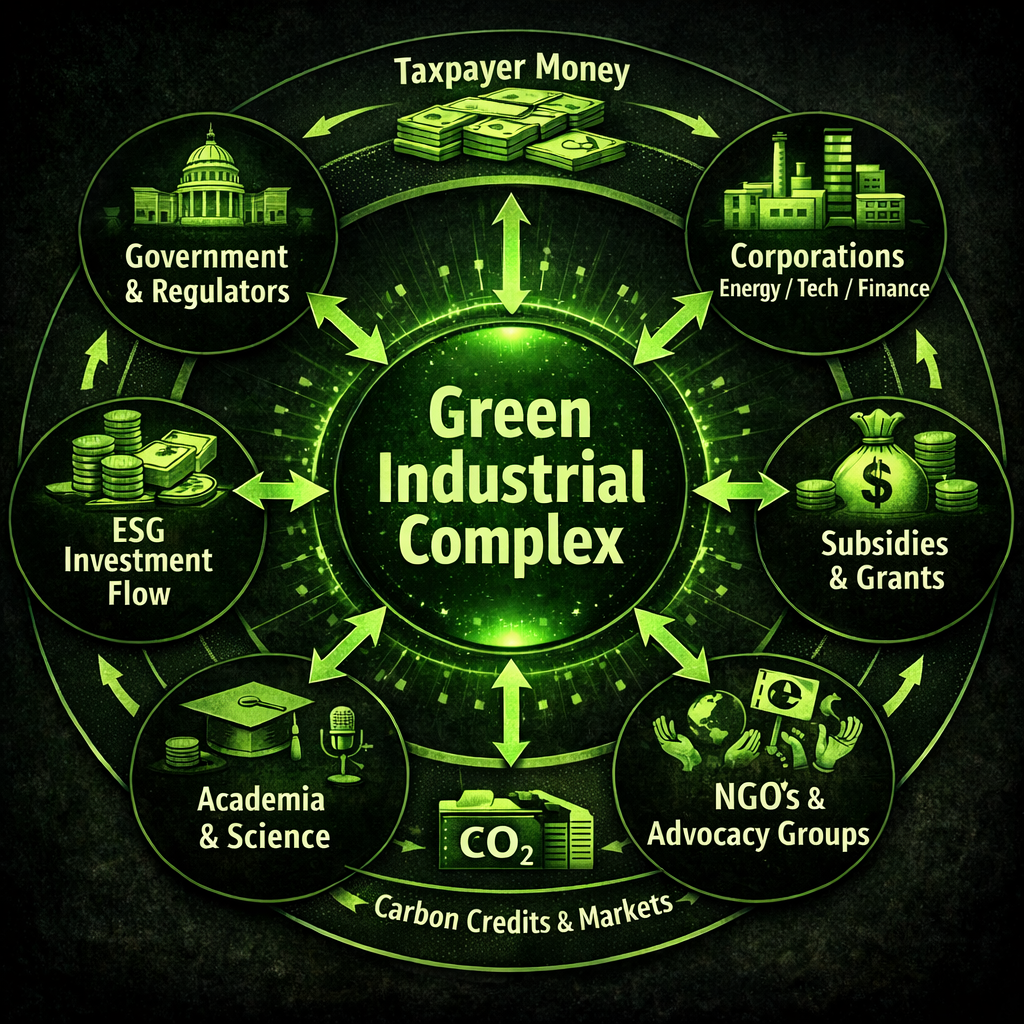
I use the term “environmental industry” to illustrate the unparalleled growth of these organizations, both in money and power — often the primary objectives. U.S. environmental organizations reported to the IRS assets of well over $200 billion by 2022 (most recent available data). That represents astonishing growth over the past 35 years — an increase of 1,275%, six times faster than inflation over the same period.
More than 77,000 environmental groups are now registered with the IRS, according to the Urban Institute’s National Center for Charitable Statistics (1,837 in Colorado alone). They are financed primarily by foundations, corporations, and government grants — at the rate of $238 million a day, more than 10 times the revenue of America’s largest coal mine. Environmental protection is an $87 billion industry in the U.S. alone. So, the image of small groups of neighborhood activists taking on corporate giants touches emotional heartstrings — but is mostly fiction.
Perhaps that’s why polls show Americans’ trust in their own government, and in institutions like the news media, advertisers, schools, and large environmental groups, is at an all-time low. Pew research shows public trust in government, nearly 80% in 1960, is barely over 20% today, and that over 51% of Americans are skeptical of climate change groups. The number of Americans self-identifying as “environmentalists” has plummeted from 77% in the 1980s to just 40% today.


