
by Greg Walcher, E&E Legal Senior Policy Fellow
The Daily Sentinel
German philosopher Arthur Schopenhauer wrote that “Truth passes through three stages. First, it is ridiculed. Second, it is violently opposed. Third, it is accepted as self-evident.”
Twenty-eight years ago, in the summer of 1998, the Club 20 Research Foundation published a report called “Decline of the Aspen: A Special Report on the Health of National Forests in Colorado.” It attracted substantial media coverage, widespread opposition to its recommendations, and even ridicule from some environmental industry groups that considered themselves superior experts on forest management.
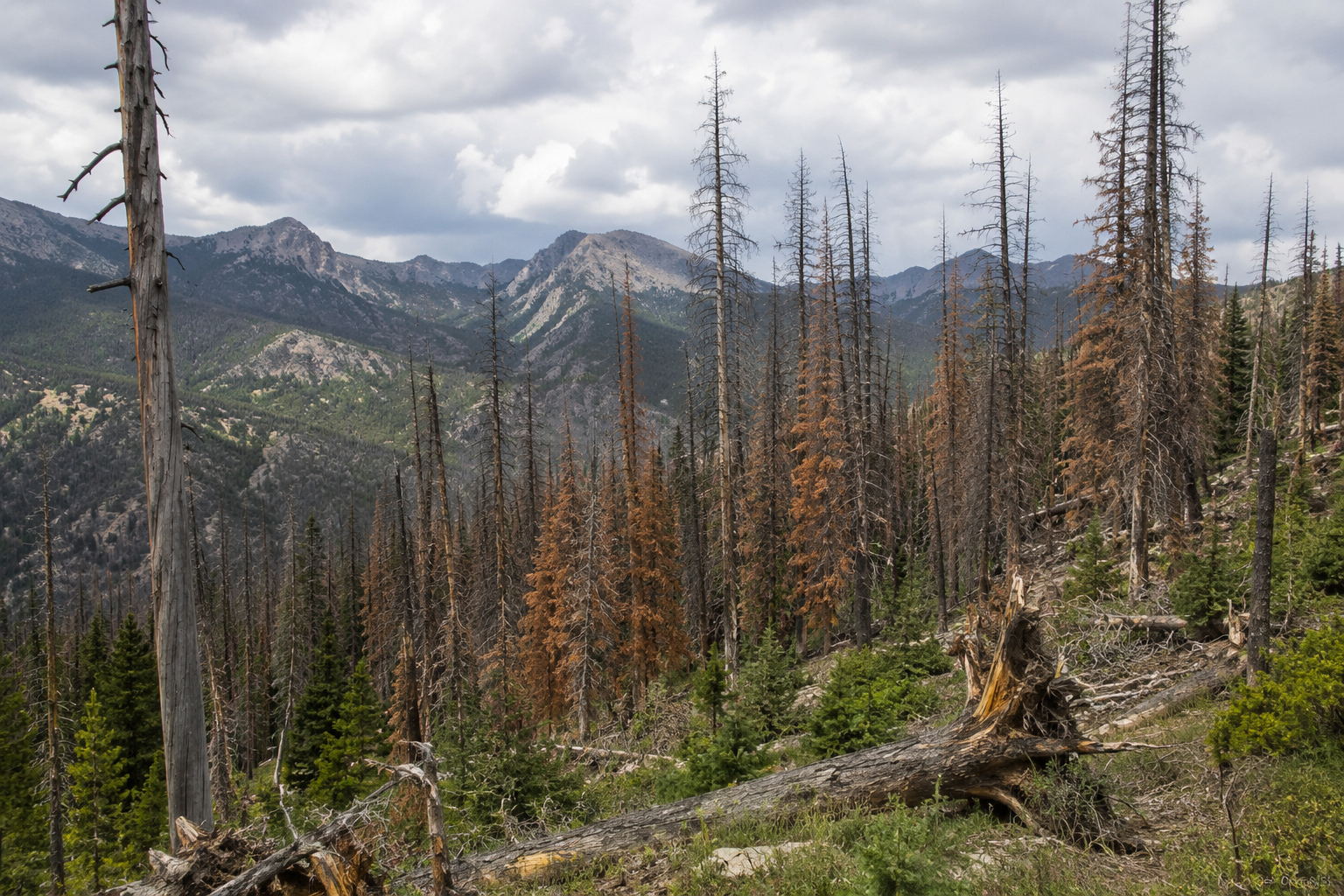
The report suggested a growing crisis in western Colorado’s aspen forests. Then-State Forester James Hubbard was quoted saying, “If the U.S. Forest Service policy remains on its current course, the State of Colorado will lose most of its famed aspen trees within 40 to 50 years.” One of the report’s conclusions said, “continuing the status quo in the West means large portions of Colorado’s colorful aspen will continue to decline, resulting in an unhealthy forest ecosystem,” which will be further exacerbated by “the unhealthy presence of disease and insects throughout the forests.” The prediction has aged remarkably well, though many dismissed it as unlikely at the time.
The report relied heavily on the work of forest experts, including Hubbard, who later served as deputy chief of the Forest Service for state and private forestry, and eventually as the undersecretary of Agriculture for Natural Resources (the office that oversees the Forest Service). It was also influenced by an analysis from the Forest Service’s Rocky Mountain Research Station published in the journal Rangelands and titled “Decline of Quaking Aspen in the Interior West: Examples from Utah,” explaining the science behind the demise of vast stands of aspen trees. The decline was a direct result of the suppression of fire’s natural role over the decades, which resulted in conifers replacing aspens over time.


