
by Greg Walcher, E&E Legal Senior Policy Fellow
The Daily Sentinel
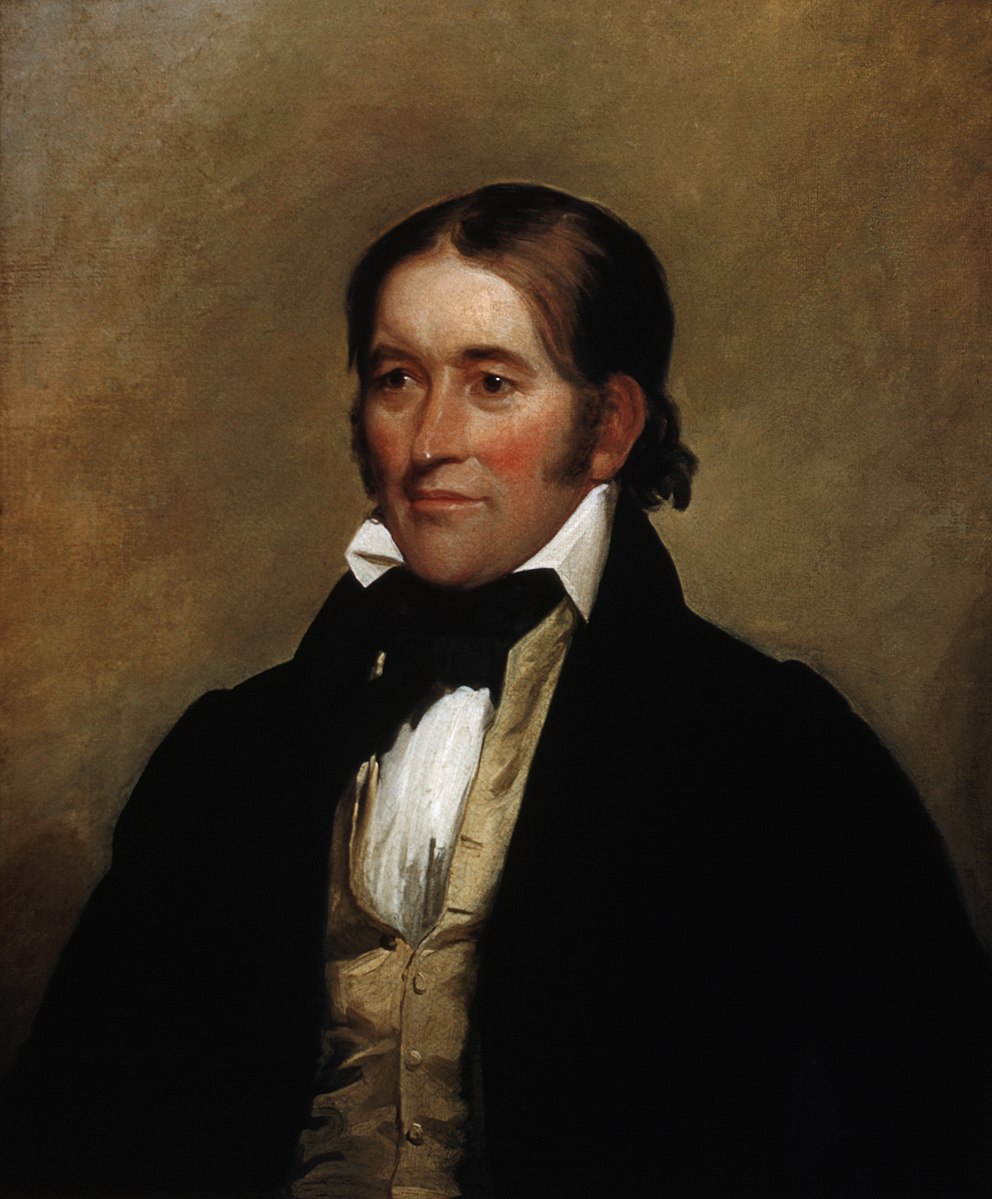
In 1867, Harper’s Magazine published a story about Tennessee Congressman Davey Crockett and his encounter with an angry constituent.
It began with Crockettt’s first House term in 1827, when there was a great fire in Georgetown. Many houses were burned and families made homeless, some with nothing left but the clothes they had on. It was a cold night and Crockett felt especially sorry for the women and children he saw suffering. Something, he thought, should be done for them. The next morning a bill was introduced appropriating $20,000 for their relief. He and his colleagues hastily passed it, helping rebuild the homes and providing needed supplies.
Campaigning for re-election the next year, Crockett encountered an angry old man, who refused his vote, citing Crockett’s support for the Georgetown relief bill. The man told him, “There are plenty of wealthy men in and around Washington who could have given $20,000 without depriving themselves,” he said. “The congressmen chose to keep their own money… and they, no doubt, applauded you for relieving them from the necessity of giving, by giving what was not yours to give.” He reminded Crockett that it was public money, taken from taxpayers everywhere and used to relive a particular group. He believed giving everyone’s money for the charity of a few violated the Constitution, even though he considered Crockett an honest man. “The man who wields power and misinterprets it is the more dangerous the more honest he is.”
But the old voter’s greatest zinger was: “If twice as many houses had been burned in this county as in Georgetown, neither you nor any other member of Congress would have thought of appropriating a dollar for our relief.” And that is an issue still faced by Congress to this day, with every high-profile disaster. What determines the need for the federal government to step in and provide relief for some disasters, and not others?


